DIY Tips for Improving Airflow in Older Mount Holly Homes
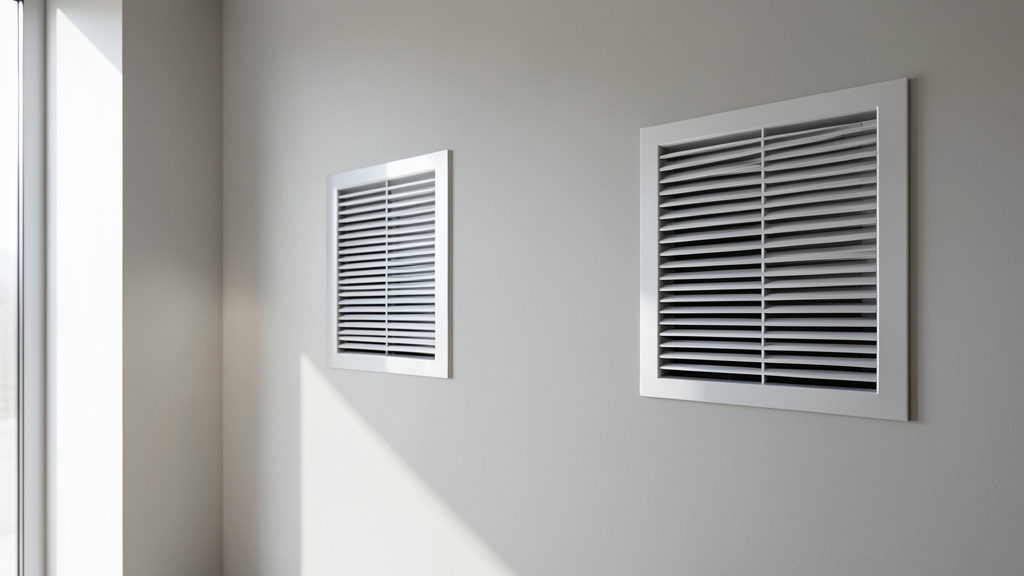
Older homes in our area often trap stale air and moisture, creating ideal conditions for mold growth. We’ve seen firsthand how small airflow improvements can prevent costly mold remediation in Mount Holly, Lumberton, and Westampton. These DIY fixes target the root causes—poor circulation and excess humidity.
Why Airflow Matters in Older Homes
Older properties, especially in Mount Holly and Eastampton, often lack modern ventilation standards. Plaster walls, tight window seals, and aging HVAC systems restrict airflow, trapping moisture that fuels mold and mildew.
Without proper circulation, humidity lingers in basements, crawl spaces, and attics—areas we frequently treat for mold remediation. Stagnant air also worsens indoor air quality, aggravating allergies and respiratory issues.
Mold can thrive behind walls or under flooring long before it’s visible. If you smell musty odors, assume mold may already be present and consider professional mold testing.
Signs Your Home Needs Better Airflow
Condensation on windows, especially in winter, signals high humidity. In our climate, this often leads to mold on window sills or walls in Lumberton and Hainesport homes.
Peeling paint, warped wood, or a persistent musty smell are red flags. These issues often start in basements or crawl spaces where airflow is weakest and moisture control is most critical.
Quick Wins for Immediate Airflow Improvement
Open windows on opposite sides of the house to create cross-ventilation. Even 10 minutes daily helps flush out stale air, especially after cooking or showering.
Use box fans in windows to pull in fresh air or exhaust humid air. Position one fan to blow air in and another to pull air out for maximum effect.
Install exhaust fans in bathrooms and kitchens if they’re missing. These are non-negotiable in older homes prone to humidity buildup and mold growth.
Daily Airflow Habits
- Run bathroom exhaust fans for 20-30 minutes after showers
- Open interior doors to allow air to circulate between rooms
- Use ceiling fans year-round (reverse direction in winter to push warm air down)
Targeting Problem Areas: Basements, Crawl Spaces, and Attics
Basements and crawl spaces in Mount Holly often have dirt floors or poor vapor barriers, allowing ground moisture to seep in. A dehumidifier rated for low temperatures can keep humidity below 50%.
In attics, ensure soffit vents aren’t blocked by insulation. Blocked vents trap heat and moisture, leading to mold on roof sheathing—a common issue we remediate in Westampton and Hainesport.
For crawl spaces, consider a sealed vapor barrier on the ground and a small exhaust fan vented outside. This combo drastically reduces moisture and the need for crawl space mold remediation.
DIY Ventilation Upgrades for Long-Term Relief
Add passive vents like gable or ridge vents to attics. These allow hot, moist air to escape naturally, reducing the risk of attic mold remediation down the line.
Install transfer grilles or jump ducts between rooms to balance airflow, especially in homes with closed-off layouts. This simple fix helps prevent pressure imbalances that trap moisture.
Upgrade to a whole-house fan for attics. These pull cool air through open windows and exhaust hot air outside, improving circulation without relying solely on HVAC.
| Area | DIY Solution | Effectiveness |
|---|---|---|
| Attic | Ridge vents + soffit vents | High (prevents heat/moisture buildup) |
| Bathroom | Exhaust fan (110 CFM or higher) | High (removes humidity at source) |
| Crawl Space | Sealed vapor barrier + exhaust fan | Medium-High (reduces ground moisture) |
| Basement | Dehumidifier + foundation vents | Medium (controls humidity but needs maintenance) |
When DIY Isn’t Enough: Red Flags for Professional Help
If you see visible mold covering more than 10 square feet, or if it’s in your HVAC system, stop DIY efforts. Mold remediation in these cases requires containment and specialized equipment to prevent cross-contamination.
Recurring mold after cleaning often means a hidden moisture source. In older homes, this could be a leaky pipe, poor grading, or inadequate drainage—issues we address during water damage restoration.
Persistently high humidity (above 60%) despite your efforts may indicate structural or mechanical ventilation problems. Commercial mold remediation teams can assess and design solutions for complex spaces.
Schedule annual HVAC maintenance. A clogged or improperly sized system can worsen airflow issues and spread mold spores throughout your home.
Maintaining Your Progress: Moisture Control and Monitoring
Use a hygrometer to track humidity levels in problem areas. Aim for 30-50% indoors. Higher levels, especially in basements or crawl spaces, signal the need for additional moisture control.
Inspect for water intrusion after heavy rains, common in our region. Check around windows, doors, and foundation walls. Small leaks can lead to big mold problems over time.
Clean and replace HVAC filters regularly. Dirty filters restrict airflow and can harbor mold spores, spreading them through your home’s ductwork.
How to Install a Bathroom Exhaust Fan in an Older Home
Adding an exhaust fan is one of the most effective ways to control humidity and prevent mold in bathrooms.
- 1Choose the Right Fan
Select a fan with at least 110 CFM for bathrooms up to 100 sq. ft. For larger bathrooms, add 50 CFM per additional 10 sq. ft. Ensure it’s rated for damp locations.
- 2Plan the Vent Path
The shortest, straightest duct run to the outside is best. Avoid sharp turns, which reduce airflow efficiency. Use rigid metal ducting, not flexible duct, for better performance.
- 3Cut the Ceiling Opening
Mark the fan’s outline on the ceiling, then cut the opening with a drywall saw. If there’s no attic access, you may need to cut from above or create a new vent path.
- 4Install the Fan Housing
Secure the fan housing to a joist or add blocking between joists for support. Connect the duct to the fan and run it to the exterior, sealing all joints with foil tape.
- 5Wire and Test
Connect the fan to a dedicated circuit or an existing light switch circuit. Turn on the power and test the fan to ensure it’s exhausting air outside, not into the attic.
Frequently Asked Questions
How do I know if my Mount Holly home has poor airflow?
Signs include stuffy rooms, lingering odors, condensation on windows, or uneven heating/cooling. If certain areas feel damp or musty, especially basements or attics, airflow is likely insufficient. Consider a mold inspection if you suspect hidden issues.
Can improving airflow really prevent mold?
Absolutely. Mold needs moisture and stagnant air to grow. Better airflow disrupts these conditions, reducing humidity and drying out surfaces. It’s a key part of mold prevention and often reduces the need for mold remediation in Westampton or Lumberton homes.
What’s a good dehumidifier for a basement in our climate?
Look for a dehumidifier rated for low temperatures (down to 40°F) with a capacity of at least 50 pints per day for a typical basement. Models with built-in pumps or gravity drainage are ideal for continuous operation.
Is it safe to clean mold myself in an older home?
For small, surface-level mold (less than 10 sq. ft.), you can use a bleach solution or commercial mold cleaner. Wear gloves, a mask, and eye protection. However, if mold is in HVAC systems, behind walls, or covers a large area, call a professional for mold removal to avoid spreading spores.
How often should I check my home’s ventilation systems?
Inspect exhaust fans, vents, and HVAC filters every 3-6 months. Clean or replace filters as needed, and ensure all vents (including attic and crawl space vents) are unobstructed. Annual professional HVAC maintenance is also recommended.
Does improving airflow help with allergies?
Yes. Better airflow reduces indoor pollutants like dust, mold spores, and volatile organic compounds (VOCs). This can significantly improve indoor air quality and alleviate allergy symptoms, especially in older homes with poor ventilation.