The Hidden Health Risks of Stachybotrys in Mount Holly Properties
Stachybotrys chartarum—often called black mold—isn’t just an unsightly nuisance in Mount Holly homes. It’s a silent health hazard that thrives in damp, poorly ventilated spaces, releasing mycotoxins that can trigger severe respiratory and neurological issues. Recognizing the risks early can save your family’s well-being and your property’s integrity.
What Is Stachybotrys and Why Is It Dangerous?
Stachybotrys chartarum is a greenish-black mold that grows on cellulose-rich materials like drywall, wood, and insulation when exposed to chronic moisture. Unlike common household molds, it produces mycotoxins that can become airborne and inhaled.
These mycotoxins are linked to a range of health problems, from chronic sinusitis and skin irritation to memory loss and immune system suppression. Children, the elderly, and those with pre-existing conditions are especially vulnerable.
Agitating Stachybotrys releases spores and mycotoxins into the air. Never attempt to scrub or bleach it yourself—this can worsen contamination and health risks.
Where Stachybotrys Hides in Mount Holly Homes
Our region’s humid summers and wet springs create ideal conditions for Stachybotrys. It often lurks in basements, crawl spaces, and attics where water intrusion or poor ventilation goes unnoticed for weeks or months.
In Mount Holly, older properties in neighborhoods like Eastampton or Hainesport are particularly susceptible due to aging plumbing, foundation cracks, or improperly sealed crawl spaces. Even newer homes can harbor it behind walls after undetected leaks.
HVAC systems can also spread spores throughout a property if ductwork is contaminated. This makes professional mold inspection and air quality testing critical for accurate detection.
Health Symptoms Linked to Stachybotrys Exposure
Short-term exposure may cause coughing, sneezing, red eyes, or skin rashes. These symptoms are often mistaken for allergies or colds, delaying proper diagnosis.
Prolonged exposure can lead to more serious issues: chronic fatigue, headaches, dizziness, or even neurological problems. In severe cases, it may contribute to bleeding lungs in infants, though this is rare.
Pets are also at risk. Dogs and cats exposed to high spore levels may develop respiratory distress, lethargy, or unexplained skin conditions.
| Exposure Duration | Mild Symptoms | Severe Symptoms |
|---|---|---|
| Short-term (hours/days) | Coughing, sneezing, itchy eyes | Nausea, dizziness |
| Medium-term (weeks/months) | Persistent headaches, fatigue | Sinus infections, skin rashes |
| Long-term (months/years) | Chronic respiratory issues | Neurological effects, immune suppression |
How Stachybotrys Spreads in Indoor Environments
Stachybotrys reproduces via spores, which are microscopic and easily airborne. Once released, they can travel through HVAC systems, settling in new areas with moisture and organic material to feed on.
High humidity (above 60%) accelerates growth. In Mount Holly, basements and crawl spaces often exceed this threshold, especially after heavy rains or flooding from the Rancocas Creek basin.
Porous materials like drywall and carpeting absorb moisture and spores, making remediation more complex. Non-porous surfaces, such as glass or metal, are less hospitable but can still harbor mold if dust and debris are present.
Stachybotrys vs. Other Common Household Molds
Not all black-colored mold is Stachybotrys. Alternaria, Cladosporium, and even Aspergillus can appear dark but pose different health risks. Only lab testing can confirm the species.
Stachybotrys is distinct in its preference for wet, cellulose-heavy materials and its production of potent mycotoxins. It also has a slimy texture when active, unlike the powdery appearance of many other molds.
| Mold Type | Color | Preferred Environment | Health Risks |
|---|---|---|---|
| Stachybotrys | Greenish-black | Wet cellulose (drywall, wood) | Mycotoxins, respiratory/neurological issues |
| Alternaria | Dark green/black | Damp areas (showers, sinks) | Asthma, allergic reactions |
| Cladosporium | Black or green | Indoor/outdoor, high humidity | Mild allergies, sinusitis |
| Aspergillus | Varies (black, white, yellow) | Warm, damp, dusty areas | Lung infections, allergies |
When to Call a Professional for Mold Inspection and Testing
Visible mold, musty odors, or unexplained health symptoms are red flags. If you suspect Stachybotrys, a certified mold inspection is the first step. Our team uses moisture meters, thermal imaging, and air sampling to assess contamination levels.
In Mount Holly, properties near waterways or in flood-prone zones like Lumberton or Westampton should be especially vigilant. Even if mold isn’t visible, hidden growth in walls or under flooring can still pose risks.
DIY test kits are available but often lack the precision of professional tools. Lab analysis is essential to identify Stachybotrys and determine spore counts in your indoor air.
Avoid running HVAC systems or disturbing potential mold before an inspection. This prevents spores from spreading and skewing test results.
The Remediation Process: What to Expect
Professional remediation begins with containment. We seal off affected areas with plastic sheeting and use negative air pressure to prevent spores from migrating to clean spaces.
All contaminated materials are carefully removed and disposed of according to NJ regulations. Non-porous surfaces are cleaned with antimicrobial solutions, and HEPA vacuums capture residual spores.
For severe cases, especially in crawl spaces or attics, we may recommend encapsulation or improved ventilation to prevent recurrence. Moisture control is the key to long-term prevention.
Signs You Need Professional Remediation
- Mold covers an area larger than 10 square feet
- Mold returns after repeated cleaning attempts
- You or family members experience unexplained health symptoms
- Mold is in HVAC systems or ductwork
- Water damage was recent and not fully dried
Preventing Stachybotrys in Mount Holly’s Climate
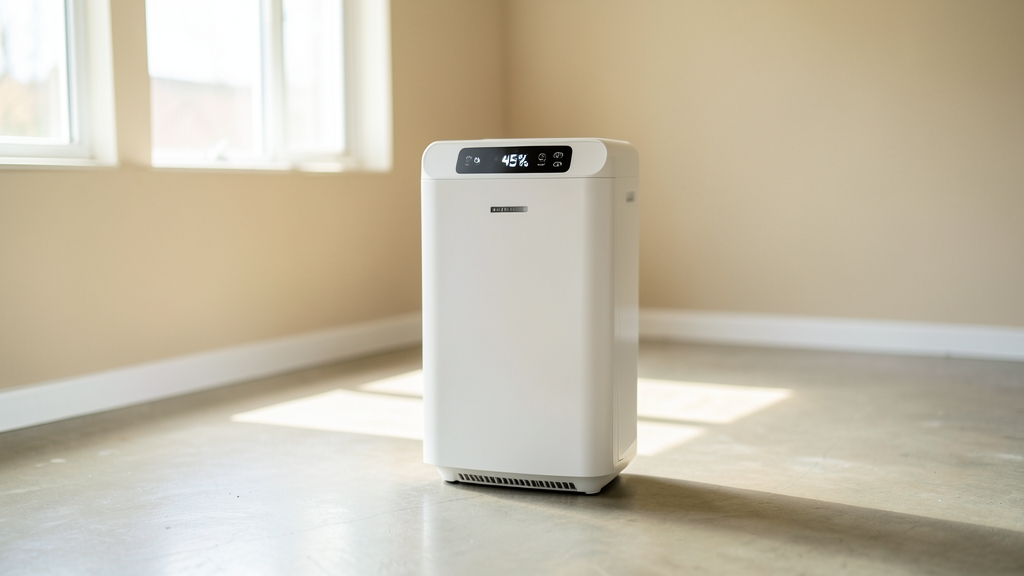
Controlling humidity is critical. Use dehumidifiers in basements and crawl spaces, especially during our humid summers. Aim to keep indoor humidity below 50%.
Address water intrusion immediately. Repair leaks in roofs, pipes, or foundations, and ensure proper grading around your property to direct water away. In areas like Eastampton, sump pumps can be a worthwhile investment.
Improve airflow with exhaust fans in bathrooms and kitchens. Regularly inspect attics and crawl spaces for signs of moisture or mold, and consider professional mold prevention services for high-risk properties.
How to Safely Check for Visible Mold in Your Home
While professional testing is always recommended for Stachybotrys, you can perform a preliminary visual inspection.
- 1Gather Protective Gear
Wear an N95 respirator, gloves, and eye protection to avoid inhaling spores or touching contaminated surfaces.
- 2Inspect High-Risk Areas
Check basements, crawl spaces, attics, under sinks, and around windows for dark, slimy patches or musty odors.
- 3Look for Water Damage
Stains, peeling paint, or warped materials indicate past or current moisture issues that could harbor mold.
- 4Avoid Disturbing Suspected Mold
Do not touch or scrub the area. Note the location and size, then contact a professional for testing.
- 5Document Findings
Take photos and notes to share with your mold remediation specialist. This helps them assess the scope of the problem.
Frequently Asked Questions
Can Stachybotrys be completely removed from a home in Mount Holly?
Yes, with professional remediation. Stachybotrys can be effectively removed from surfaces and materials, but the key is addressing the underlying moisture issue to prevent regrowth. Our team follows strict protocols to ensure thorough cleanup and containment.
How quickly can Stachybotrys grow after water damage?
Mold can begin growing within 24 to 48 hours of water exposure. In Mount Holly’s humid climate, this timeline can be even shorter. Immediate water damage restoration is critical to preventing mold colonization.
Is it safe to stay in a home with Stachybotrys during remediation?
It depends on the severity. For small, contained areas, you may be able to stay with proper containment measures. However, for large infestations, especially in living spaces or HVAC systems, temporary relocation is often recommended for safety.
Does homeowners insurance cover Stachybotrys remediation in New Jersey?
Coverage varies by policy. Most standard policies cover mold remediation if it’s a result of a covered peril, like a burst pipe. However, they often exclude mold caused by long-term neglect or flooding. Always review your policy and consult your insurer.
What’s the difference between mold testing and mold inspection?
Mold inspection is a visual and physical assessment of your property for signs of mold and moisture. Mold testing involves collecting air or surface samples to identify the type and concentration of mold spores, including Stachybotrys. Both are often needed for a comprehensive evaluation.
Are there any natural ways to prevent Stachybotrys?
While natural solutions like vinegar or tea tree oil can kill surface mold, they are not effective for Stachybotrys or large infestations. The only reliable prevention is controlling moisture through dehumidifiers, proper ventilation, and prompt repairs. For existing Stachybotrys, professional remediation is non-negotiable.