Is a Mold Remediation License Required in Mount Holly? Breaking Down NJ Requirements
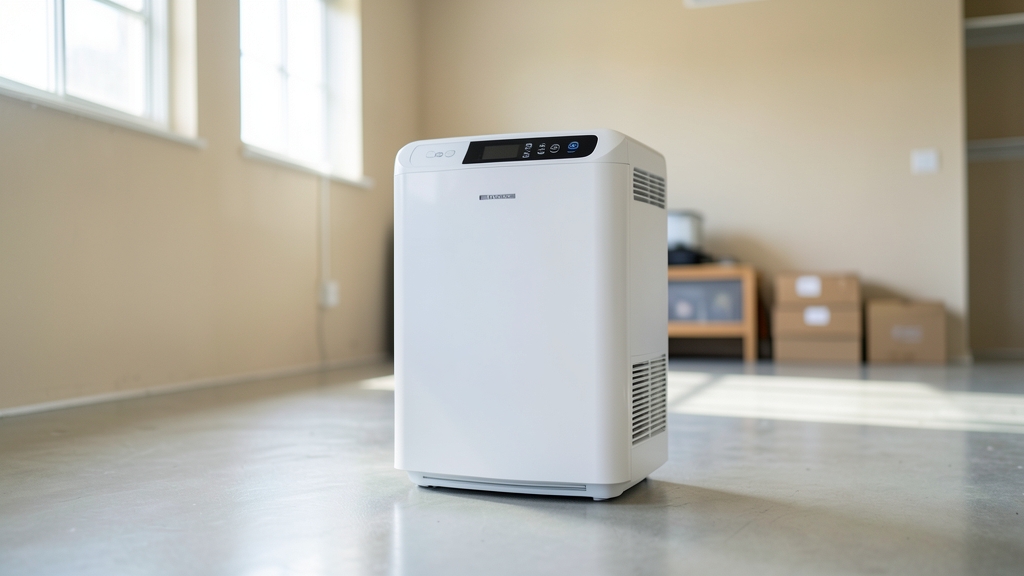
New Jersey has strict rules about who can perform mold remediation—and for good reason. In Mount Holly, improper handling can spread spores or mask deeper issues like hidden water damage. Here’s what property owners need to know about licensing, certifications, and why cutting corners isn’t worth the risk.
NJ’s Mold Remediation Licensing: The Basics
New Jersey does not issue a standalone *mold remediation license* at the state level. Instead, the NJ Department of Health (NJDOH) regulates mold work under broader environmental health standards.
However, any business performing mold remediation must comply with NJ’s *Mold Hazard Abatement* regulations. This includes proper training, documentation, and adherence to industry standards like those from the EPA and IICRC.
For commercial projects or large-scale residential jobs, additional permits may be required. Always verify with local Mount Holly building officials before starting work.
Required Certifications for Mold Remediation in NJ
While NJ doesn’t have a specific mold license, reputable companies hold certifications like *IICRC Mold Remediation Technician (MRT)* or *Applied Microbial Remediation Technician (AMRT)*.
These certifications ensure technicians understand containment protocols, PPE requirements, and proper disposal of contaminated materials. Without them, you risk incomplete remediation or cross-contamination.
In nearby areas like Lumberton or Westampton, the same standards apply. Certifications also cover air quality testing, which is critical for verifying remediation success.
| Certification | Issuing Body | Focus Area |
|---|---|---|
| Mold Remediation Technician (MRT) | IICRC | Hands-on remediation, containment, cleanup |
| Applied Microbial Remediation Technician (AMRT) | IICRC | Advanced microbial contamination, sewer backups |
| Certified Mold Inspector (CMI) | ACAC | Inspection, sampling, and reporting |
| OSHA 10/30 | OSHA | Safety protocols for hazardous environments |
When Is a License or Permit *Actually* Required?
For most residential mold remediation in Mount Holly, no additional permit is needed *if* the work is under 10 square feet and doesn’t involve structural changes. But larger infestations or those tied to water damage often trigger permit requirements.
Commercial properties, schools, and healthcare facilities *always* require compliance with NJDOH and OSHA rules. This includes pre-remediation assessments and post-remediation verification.
If mold stems from a flood or sewage backup—common in low-lying areas near the Rancocas Creek—additional water damage restoration permits may apply.
Hiring uncertified remediators can void insurance claims and leave you liable for improper abatement. Always ask for proof of IICRC or NJDOH-compliant training.
Local Nuances: Mount Holly and Burlington County
Burlington County doesn’t add extra licensing layers, but local building codes may require inspections for mold tied to water intrusion. This is especially true in older homes in Hainesport or Eastampton with historic moisture issues.
Mount Holly’s humid summers and cold winters create ideal conditions for mold growth in basements and crawl spaces. Proper remediation here often includes moisture control solutions like vapor barriers or dehumidifiers.
For attic mold—a common problem in our area—remediation must address roof leaks or poor ventilation. Skipping this step may allow the mold to return.
The Remediation Process: What Licensed Pros Do Differently
Licensed remediators start with a thorough mold inspection and air quality testing to identify the species and extent of contamination. This data guides the remediation plan.
Containment is critical. Pros use negative air pressure and physical barriers to prevent spores from spreading to clean areas during removal.
Post-remediation, they perform clearance testing to confirm mold levels are back to normal. This step is often skipped by uncertified contractors but is non-negotiable for safety.
Signs of a Professional Mold Remediation Job
- Pre-remediation inspection and moisture mapping
- Full containment with plastic sheeting and air scrubbers
- Use of HEPA vacuums and antimicrobial treatments
- Post-remediation air quality testing
- Detailed report with photos and lab results
DIY vs. Professional Remediation: Know the Limits
Homeowners *can* tackle small, surface-level mold (under 10 sq. ft.) with proper PPE and EPA-approved cleaners. But anything larger—or hidden behind walls—requires professional help.
DIY attempts often fail because they don’t address the root cause: moisture. Without fixing leaks or humidity issues, mold will recur within weeks.
In Mount Holly, DIY remediation gone wrong has led to costly repairs in neighborhoods like Historic Downtown. When in doubt, call in a pro.
If you see mold after water damage, smell a musty odor, or notice health symptoms like allergies, stop DIY efforts and contact a certified remediator.
Cost Factors: Why Licensed Remediation Is Worth It
The cost of mold remediation varies based on the infestation size, location (attic vs. basement), and whether structural repairs are needed. Crawl space remediation in Mount Holly, for example, often requires additional moisture control measures.
While unlicensed contractors may quote lower prices, the risk of incomplete work or health hazards isn’t worth the savings. Request a quote to understand the scope and necessary steps for your property.
Commercial mold remediation in Westampton or Lumberton typically costs more due to larger spaces and stricter compliance requirements.
How to Verify a Mold Remediation Company’s Credentials in NJ
Protect yourself by confirming a contractor’s qualifications before hiring.
- 1Check for IICRC or ACAC Certifications
Ask for certificate numbers and verify them on the IICRC or ACAC websites. Look for MRT, AMRT, or CMI designations.
- 2Confirm NJDOH Compliance
Ensure the company follows NJ’s Mold Hazard Abatement guidelines. Request documentation of their training and protocols.
- 3Review Insurance and Bonding
A legitimate remediator carries liability insurance and workers’ comp. Ask for proof to avoid liability for accidents or damages.
- 4Ask for Local References
Request examples of past work in Mount Holly, Lumberton, or nearby towns. Follow up with references to gauge satisfaction and results.
- 5Insist on a Detailed Plan
A professional will provide a written scope of work, including containment strategies, testing, and post-remediation verification.
Frequently Asked Questions
Does Mount Holly require a specific mold remediation license?
No, Mount Holly follows NJ state regulations, which don’t require a standalone mold license but do mandate compliance with NJDOH guidelines and industry certifications like IICRC.
Can I remove mold myself in my Mount Holly home?
You can handle small, non-toxic mold patches (under 10 sq. ft.) yourself with proper precautions. For larger or hidden mold, hire a qualified expert to ensure safety and thorough removal.
What certifications should a mold remediation company in NJ have?
Look for IICRC certifications like Mold Remediation Technician (MRT) or Applied Microbial Remediation Technician (AMRT). ACAC’s Certified Mold Inspector (CMI) is also a strong indicator of expertise.
How long does mold remediation take in Mount Holly?
Timelines vary by infestation size and complexity. Small jobs may take 1–2 days, while large or commercial projects can require a week or more, especially if moisture control solutions are needed.
Is mold testing required before remediation in NJ?
While not always legally required, professional testing is highly recommended. It identifies the mold type, spore count, and hidden contamination, ensuring the remediation plan is targeted and effective.
What happens if mold isn’t properly remediated?
Improper remediation can lead to recurring mold growth, structural damage, and health issues like respiratory problems or allergies. It may also void insurance claims and reduce property value.