Mold in HVAC Systems: Detection and Remediation Tips for Mount Holly
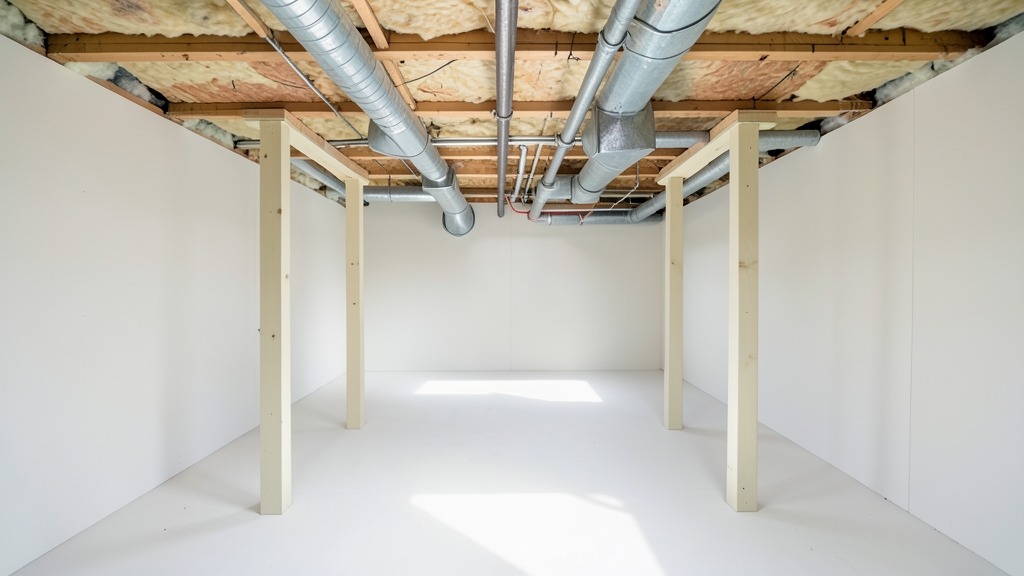
Mold thrives in the dark, damp environments of HVAC systems, silently circulating spores throughout your home or business. In our region’s humid summers and wet springs, undetected growth in ductwork or air handlers can quickly escalate. We’ll walk you through detection, risks, and professional remediation to restore clean air.
Why HVAC Systems Are Mold Magnets
HVAC systems create ideal conditions for mold: consistent moisture from condensation, organic dust for food, and poor airflow in hidden spaces. In Mount Holly’s climate, high humidity accelerates growth in ductwork, coils, and drip pans.
Air handlers and vents often harbor mold colonies that spread spores every time the system runs. Without proper maintenance, these contaminants recirculate, worsening indoor air quality and triggering allergies or respiratory issues.
Signs Your HVAC System Has Mold
A musty odor when the system runs is the most common red flag. This smell often intensifies in specific rooms or when the AC first kicks on after a period of inactivity.
Visible mold around vents, registers, or the air handler is a clear indicator. Black, green, or white patches on ductwork or insulation demand immediate attention.
Unexplained health symptoms—sneezing, coughing, or itchy eyes—especially when indoors, may signal mold exposure. These reactions often lessen when you leave the building.
That musty odor isn’t just unpleasant—it’s a sign of active mold growth. Running the system spreads spores further, so turn it off and call a pro for inspection.
How Mold Spreads Through Your HVAC
Spores enter the system through open windows, doors, or on pets and clothing. Once inside, they settle in ductwork, coils, or filters where moisture is present.
Condensation from cooling coils provides a constant water source. If drip pans are clogged or improperly sloped, standing water fuels rapid mold growth.
Poorly sealed ductwork in basements or crawl spaces—common in older homes around Lumberton and Westampton—can pull in moist air, accelerating contamination.
DIY Detection vs. Professional Mold Inspection
You can visually inspect vents and accessible ductwork, but hidden mold in air handlers or deep in the system requires professional tools. A flashlight and mirror might reveal surface growth, but not the extent.
Professional mold inspection uses moisture meters, borescopes, and air quality testing to detect hidden colonies. We also check for water damage in connected areas like attics or crawl spaces, common in Hainesport and Eastampton homes.
| Method | Pros | Cons |
|---|---|---|
| Visual Inspection | Quick, no cost | Misses hidden mold; no air quality data |
| Moisture Meter | Identifies damp areas | Doesn’t confirm mold presence |
| Air Quality Testing | Detects spores and types | Requires lab analysis; professional only |
| Borescope Inspection | Reaches deep into ducts | Specialized equipment; not DIY |
| Professional Inspection | Comprehensive, accurate | Costs more; requires scheduling |
Health Risks of HVAC Mold Exposure
Inhaling mold spores can trigger allergic reactions, asthma attacks, and chronic sinusitis. Symptoms often mimic colds or flu, making mold exposure easy to overlook.
Long-term exposure may lead to respiratory infections or immune system suppression, particularly in children, the elderly, or those with compromised health.
Certain molds, like Stachybotrys (black mold), produce mycotoxins that pose serious health risks. Immediate remediation is critical if this species is identified.
Individuals with asthma, allergies, or weakened immune systems are at higher risk. If anyone in your household falls into these categories, prioritize professional inspection and remediation.
Step-by-Step Professional Remediation Process
We start with containment to prevent spores from spreading during cleanup. Plastic sheeting and negative air pressure isolate the work area.
All contaminated materials—filters, insulation, or duct sections—are safely removed and disposed of according to EPA guidelines. HEPA vacuums capture lingering spores.
Antimicrobial treatments are applied to kill remaining mold and prevent regrowth. We also address the root moisture issue, whether it’s a leak, poor drainage, or high humidity.
Preventing Mold Regrowth in Your HVAC
Regular HVAC maintenance is your first line of defense. Replace filters every 1-3 months, and schedule annual professional duct cleaning, especially in humid climates like ours.
Control indoor humidity with dehumidifiers, particularly in basements and crawl spaces. Aim for 30-50% humidity to discourage mold growth.
Ensure proper drainage around your home’s foundation. Standing water near the structure can seep into ductwork or crawl spaces, creating ideal mold conditions.
HVAC Mold Prevention Checklist
- Replace HVAC filters every 1-3 months
- Schedule annual duct inspections and cleanings
- Use dehumidifiers in damp areas like basements
- Seal ductwork to prevent moisture intrusion
- Inspect drip pans and coils for standing water
- Address leaks or water damage immediately
When to Call a Mold Remediation Expert
If you see or smell mold in your HVAC, don’t attempt DIY removal. Disturbing colonies without proper containment can worsen contamination and spread spores to other areas.
For commercial properties or large residential systems, professional remediation is non-negotiable. We have the equipment and expertise to handle extensive contamination safely.
After water damage—from storms, flooding, or leaks—mold can develop within 24-48 hours. Immediate professional intervention prevents long-term issues.
How to Inspect Your HVAC for Mold
A quick visual check can reveal obvious mold problems before they escalate.
- 1Turn Off the HVAC System
Prevent spores from spreading by shutting down the system at the thermostat and breaker.
- 2Remove and Inspect Filters
Check for visible mold or a musty smell. Replace disposable filters or clean reusable ones with a vinegar solution.
- 3Examine Vents and Registers
Use a flashlight to look for mold around vent openings. Pay attention to damp or discolored areas.
- 4Check Ductwork and Air Handler
If accessible, inspect duct seams and the air handler for moisture or mold. Look for water stains or rust.
- 5Look for Condensation Issues
Inspect drip pans and coils for standing water or excessive moisture. Ensure drainage lines are clear.
- 6Note Any Odors
If you detect a musty smell, even without visible mold, it’s time to call a professional for air quality testing.
Frequently Asked Questions
Can I use bleach to clean mold in my HVAC system?
Bleach is not recommended for HVAC mold. It doesn’t penetrate porous materials like duct insulation, and the moisture from bleach can actually promote further growth. Professionals use EPA-approved antimicrobials and HEPA filtration for thorough, safe removal.
How do I know if mold in my HVAC is dangerous?
All mold should be treated as a potential health risk, but species like black mold (Stachybotrys) are particularly hazardous. Professional mold testing identifies the type and concentration of spores, guiding the remediation approach. Never assume mold is harmless based on appearance alone.
Will running my HVAC system spread mold spores?
Yes. If mold is present in ductwork or the air handler, running the system will circulate spores throughout your home or business. If you suspect mold, turn off the HVAC and contact a remediation specialist immediately.
Is HVAC mold common in Mount Holly homes?
Yes, especially in older homes or those with basements or crawl spaces. Our region’s humidity, combined with seasonal temperature swings, creates prime conditions for mold growth in HVAC systems. Regular inspections are key to catching issues early.
What’s the difference between mold inspection and mold testing?
Mold inspection involves a visual and physical assessment of your property to locate mold and moisture sources. Mold testing collects air or surface samples for lab analysis to identify mold types and spore counts. We often recommend both for a comprehensive evaluation.
Can mold in my HVAC affect my entire home?
Absolutely. HVAC systems circulate air throughout the entire building. Mold spores released into the system can settle in every room, contaminating surfaces and reducing indoor air quality. This is why containment and professional remediation are critical.