What Every Mount Holly Homeowner Should Ask About Post-Remediation Testing
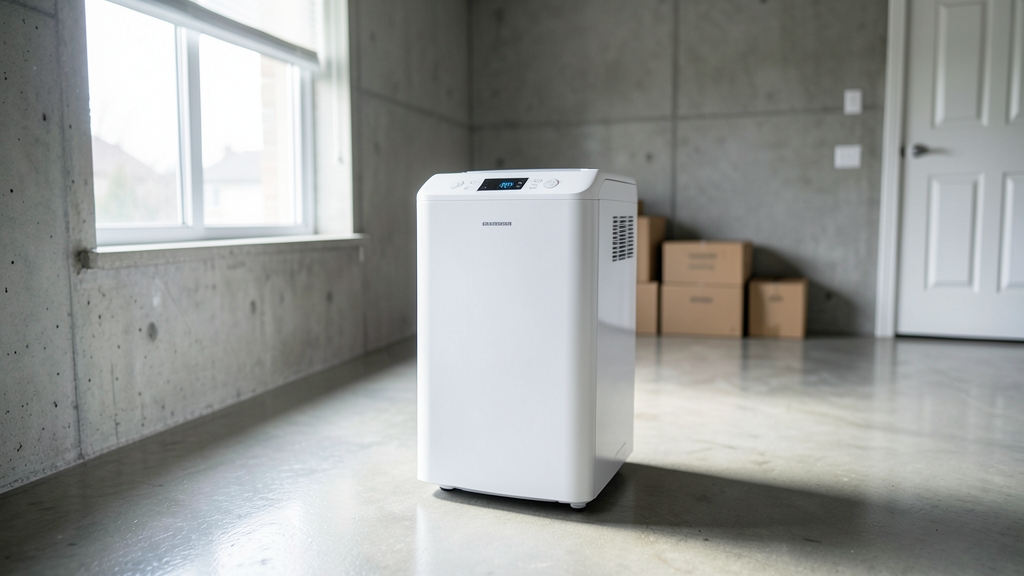
Post-remediation testing isn’t just a formality—it’s the only way to confirm mold is gone for good. We’ve seen too many cases where visible mold was removed, but hidden spores lingered, leading to costly callbacks. Here’s what you *must* ask to protect your home and health.
Why Post-Remediation Testing Is Non-Negotiable
Mold remediation addresses the source and visible growth, but spores can remain airborne or embedded in materials. Without testing, you’re flying blind.
In our humid NJ summers, residual moisture can reactivate dormant spores. Post-remediation testing (PRT) verifies the job was done right the first time.
Air vs. Surface Testing: What’s the Difference?
Air testing captures airborne spore counts to compare against outdoor baselines. It’s critical for assessing overall air quality after remediation.
Surface testing (tape, swab, or bulk samples) targets specific areas where mold was present. We use both to cross-verify results.
| Type | Best For | Limitations |
|---|---|---|
| Air Testing | Assessing overall spore load in living spaces | May miss localized contamination in hidden areas |
| Surface Testing | Confirming removal from previously affected materials | Doesn’t measure airborne spores |
| ERMI/Dust Testing | Deep analysis of settled spores in dust | More expensive; not always necessary for standard PRT |
Who Should Perform the Testing?
Never let the same company that did the remediation handle the testing. This is a conflict of interest—like grading your own homework.
We recommend an independent, certified mold inspector. In Mount Holly, Lumberton, or Westampton, third-party testers ensure unbiased results.
If your remediation contractor offers ‘free’ post-testing, decline. Independent verification is the only way to ensure objectivity.
What Standards Define a ‘Pass’?
There’s no universal ‘zero mold’ standard—mold spores exist naturally. PRT compares indoor spore counts to outdoor baselines.
For most residential jobs, indoor spore types and levels should match or be lower than outdoor air. Elevated counts of water-damage indicators (e.g., *Stachybotrys*, *Chaetomium*) mean the job isn’t done.
How Long After Remediation Should You Test?
Testing too soon can yield false negatives. We advise waiting 24–48 hours after remediation to allow disturbed spores to settle.
For large or commercial jobs in areas like Hainesport or Eastampton, a 72-hour wait may be prudent to account for HVAC circulation.
What If the Test Fails?
A failed PRT means spores or moisture issues persist. The remediation team must revisit the site, identify the source (e.g., hidden water intrusion, poor containment), and re-treat.
In our experience, failures often trace back to incomplete drying in basements or crawl spaces—common in older Mount Holly homes with poor drainage.
Request a moisture map of your home pre-remediation. High humidity in attics or crawl spaces (common in NJ) often leads to recurrence.
Does Testing Cover Hidden Areas?
Standard PRT focuses on air and visible surfaces. But mold loves to hide in wall cavities, under flooring, or behind HVAC components.
For thoroughness, we often pair PRT with thermal imaging or borescope inspections—especially in flood-prone areas near the Rancocas Creek.
Cost Factors: What Drives the Price?
PRT costs vary based on home size, number of samples, and testing type. Air testing is typically cheaper than ERMI or dust analysis.
Complex jobs—like commercial buildings or homes with extensive water damage in Lumberton or Westampton—require more samples, increasing the investment. Request a quote for accuracy.
Factors That Influence Post-Remediation Testing Costs
- Number of air/surface samples needed
- Type of testing (basic air vs. ERMI/dust)
- Home or building square footage
- Urgency of results (rush fees may apply)
- Need for additional inspections (thermal, moisture mapping)
How to Prepare for Post-Remediation Testing
A few simple steps ensure your PRT is accurate and efficient.
- 1Clear the Area
Remove pets, plants, and personal items from tested spaces. Avoid using HVAC systems for 24 hours prior to testing.
- 2Seal Off Work Zones
Ensure plastic sheeting or barriers from remediation remain intact until testing is complete.
- 3Document the Process
Take photos of the remediated areas and note any lingering odors or moisture spots to share with the tester.
- 4Close Windows and Doors
Keep the home closed for 12–24 hours before testing to stabilize indoor air conditions.
- 5Provide Access
Grant the tester access to all areas, including attics, basements, and crawl spaces for comprehensive sampling.
Frequently Asked Questions
Is post-remediation testing required by law in New Jersey?
NJ doesn’t mandate PRT for residential jobs, but it’s strongly recommended—and often required by insurance or real estate transactions. Commercial jobs may have stricter local or industry guidelines.
Can I use a DIY mold test kit for post-remediation verification?
DIY kits lack the precision and chain-of-custody required for professional verification. They can’t account for NJ’s seasonal humidity swings or local spore baselines. Always hire a certified inspector.
How long does it take to get post-remediation test results?
Basic air and surface tests typically return results in 3–5 business days. Rush services can cut this to 24–48 hours, but accuracy shouldn’t be sacrificed for speed.
What’s the difference between clearance testing and post-remediation testing?
Clearance testing is a type of PRT performed by a third party to ‘clear’ a property as safe. All PRT should meet clearance standards, but not all PRT is formally labeled as clearance testing.
Does post-remediation testing include moisture readings?
Not always. While PRT focuses on spore counts, we recommend pairing it with moisture mapping—especially in basements or crawl spaces—to prevent future growth.
Should I test for mycotoxins after mold remediation in Mount Holly?
Mycotoxin testing is rare for standard residential jobs. It’s typically reserved for cases involving toxic mold species (e.g., *Stachybotrys*) or health concerns. Discuss this with your tester.