Proactive Mold Prevention Strategies for Mount Holly Offices
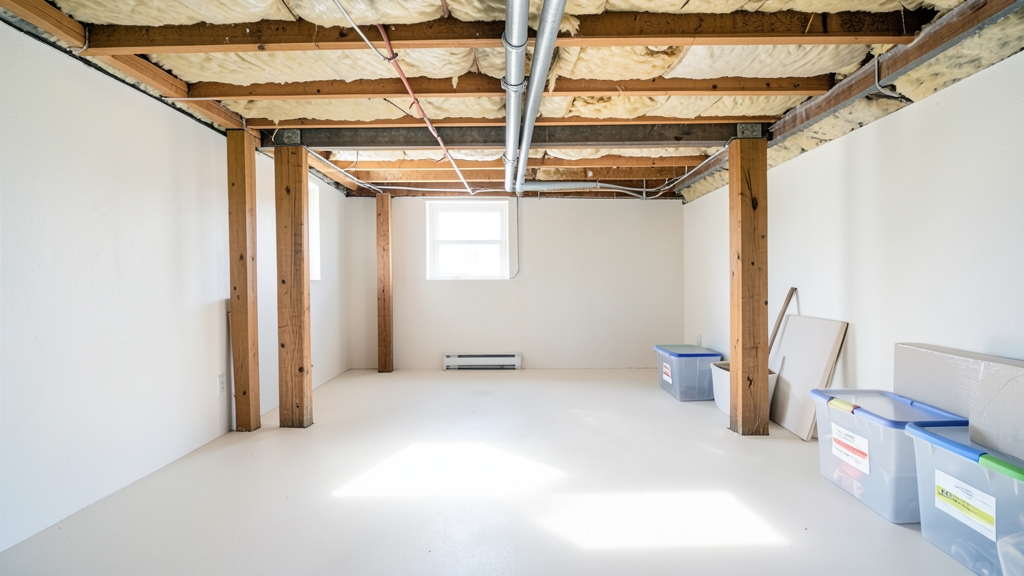
Mold thrives in commercial spaces where moisture lingers unchecked. For Mount Holly offices, proactive prevention is far more cost-effective than remediation after an outbreak. Our team specializes in tailored solutions to keep your workspace safe and compliant.
Why Offices in Mount Holly Are Vulnerable to Mold
Mount Holly’s humid summers and wet springs create ideal conditions for mold growth. Offices with poor ventilation or hidden leaks are especially at risk.
Aging buildings in Lumberton or Westampton often have outdated HVAC systems that trap moisture. Even newer spaces in Hainesport can develop issues if maintenance is neglected.
Mold spores spread quickly through air ducts, affecting indoor air quality. Without intervention, they can compromise employee health and damage property.
Key Signs Your Office May Have a Mold Problem
Musty odors are the most obvious red flag. If employees or clients notice a persistent smell, it’s time for a professional mold inspection.
Visible mold on walls, ceilings, or around windows is a clear indicator. Black, green, or white patches often appear in damp areas like basements or attics.
Unexplained health symptoms—such as headaches, respiratory issues, or allergies—can signal hidden mold. Air quality testing can confirm its presence.
Common Mold Warning Signs
- Persistent musty odors
- Visible mold growth on surfaces
- Water stains or discoloration on walls/ceilings
- Increased allergy or respiratory complaints
- Peeling paint or wallpaper
Proactive Measures to Prevent Mold in Commercial Spaces
Controlling humidity is critical. Maintain indoor levels between 30-50% with dehumidifiers, especially in basements and crawl spaces common in Eastampton offices.
Regular HVAC maintenance prevents moisture buildup. Replace filters quarterly and inspect ductwork for condensation or leaks.
Address water intrusion immediately. Roof leaks, plumbing issues, or poor drainage around the building can lead to mold growth within 24-48 hours.
Use hygrometers to monitor humidity levels in high-risk areas like server rooms or storage closets. Act quickly if levels exceed 60%.
HVAC Systems: Your First Line of Defense
A well-maintained HVAC system regulates airflow and reduces moisture. In Mount Holly’s climate, this is non-negotiable for mold prevention.
Install high-quality air filters (MERV 8 or higher) to capture mold spores. Consider UV-C light systems to neutralize spores in ductwork.
Schedule biannual HVAC inspections. Technicians can identify and fix issues like clogged drain lines or improperly sized units that contribute to moisture problems.
Water Damage Restoration: Stopping Mold Before It Starts
Even minor water damage can lead to mold if not addressed promptly. Our team uses moisture meters to detect hidden water in walls, floors, or ceilings.
For offices in flood-prone areas near the Rancocas Creek, consider waterproofing basements and crawl spaces. Encapsulation creates a moisture barrier to prevent mold growth.
After any water incident, dry affected areas within 24-48 hours. Use industrial fans and dehumidifiers to ensure complete drying.
Mold-Resistant Materials for Office Renovations
If renovating, opt for mold-resistant drywall, insulation, and paint. These materials are treated with antimicrobial agents to inhibit growth.
In basements or attics, use closed-cell spray foam insulation. It resists moisture and prevents mold from taking hold in hard-to-reach spaces.
For flooring, choose materials like tile, concrete, or vinyl plank. Carpet in high-moisture areas (e.g., break rooms) should be avoided or regularly deep-cleaned.
| Material Type | Mold Resistance | Best For |
|---|---|---|
| Mold-resistant drywall | High | Walls in damp areas |
| Standard drywall | Low | General use (not recommended for basements) |
| Closed-cell spray foam | High | Insulation in attics/crawl spaces |
| Fiberglass insulation | Low | General insulation (avoid in wet areas) |
| Epoxy paint | High | Walls/ceilings in high-moisture zones |
| Latex paint | Low | Standard interior walls |
Regular Mold Inspections and Air Quality Testing
Schedule professional mold inspections annually, or after any water incident. Our team uses thermal imaging to detect hidden moisture behind walls or under flooring.
Air quality testing identifies mold spores and other contaminants. This is especially important for offices with sensitive populations, such as healthcare facilities.
Document all inspections and remediation efforts. This protects your business from liability and ensures compliance with NJ’s commercial property regulations.
Mold can grow undetected in HVAC systems, behind drywall, or under carpeting. Without testing, you won’t know it’s there until it’s a major problem.
Commercial Mold Remediation: When Prevention Isn’t Enough
If mold is already present, professional remediation is essential. Our process includes containment, HEPA filtration, and safe removal of affected materials.
For large outbreaks, we may recommend temporary relocation of employees. Safety is the top priority during remediation.
Post-remediation verification ensures the mold is fully eradicated. We conduct follow-up air quality testing to confirm the space is safe for occupancy.
How to Create a Mold Prevention Plan for Your Office
A structured prevention plan keeps your workspace mold-free and compliant with health standards.
- 1Assess Risk Areas
Identify high-moisture zones like basements, bathrooms, and areas near plumbing. Note any past water damage or leaks.
- 2Implement Moisture Controls
Install dehumidifiers in problem areas and ensure proper ventilation. Fix leaks in roofs, pipes, or windows immediately.
- 3Upgrade HVAC Systems
Replace filters regularly and consider UV-C lights for ductwork. Schedule professional HVAC inspections twice a year.
- 4Use Mold-Resistant Materials
During renovations, choose materials like mold-resistant drywall, closed-cell insulation, and moisture-proof flooring.
- 5Schedule Regular Inspections
Conduct annual mold inspections and air quality testing. Document findings and address issues promptly.
- 6Educate Staff
Train employees to recognize mold signs (odors, stains, health symptoms) and report them immediately.
Frequently Asked Questions
How often should Mount Holly offices test for mold?
We recommend annual mold inspections for most offices, with additional testing after any water damage or major renovations. High-risk spaces, like basements or areas with past mold issues, may need more frequent checks.
Can mold grow in my office’s HVAC system?
Yes. Mold thrives in dark, damp environments like ductwork. Regular HVAC maintenance, including filter changes and duct cleaning, helps prevent this. UV-C light systems can also neutralize spores.
What’s the difference between mold inspection and air quality testing?
Mold inspection involves a visual and physical assessment of your property for mold growth and moisture sources. Air quality testing measures the concentration of mold spores in the air, even if no visible mold is present.
Are there specific building codes for mold prevention in Mount Holly?
While NJ doesn’t have a dedicated mold code, commercial properties must comply with general building and health regulations. Proper ventilation, moisture control, and remediation practices are often required to meet these standards.
How quickly can mold spread in an office after water damage?
Mold can begin growing within 24-48 hours of water exposure, so drying the area and addressing the moisture source helps prevent an outbreak.
Do you serve offices in nearby areas like Lumberton or Eastampton?
Yes, our team provides mold prevention, inspection, and remediation services across Mount Holly and surrounding areas, including Lumberton, Westampton, Hainesport, and Eastampton.